

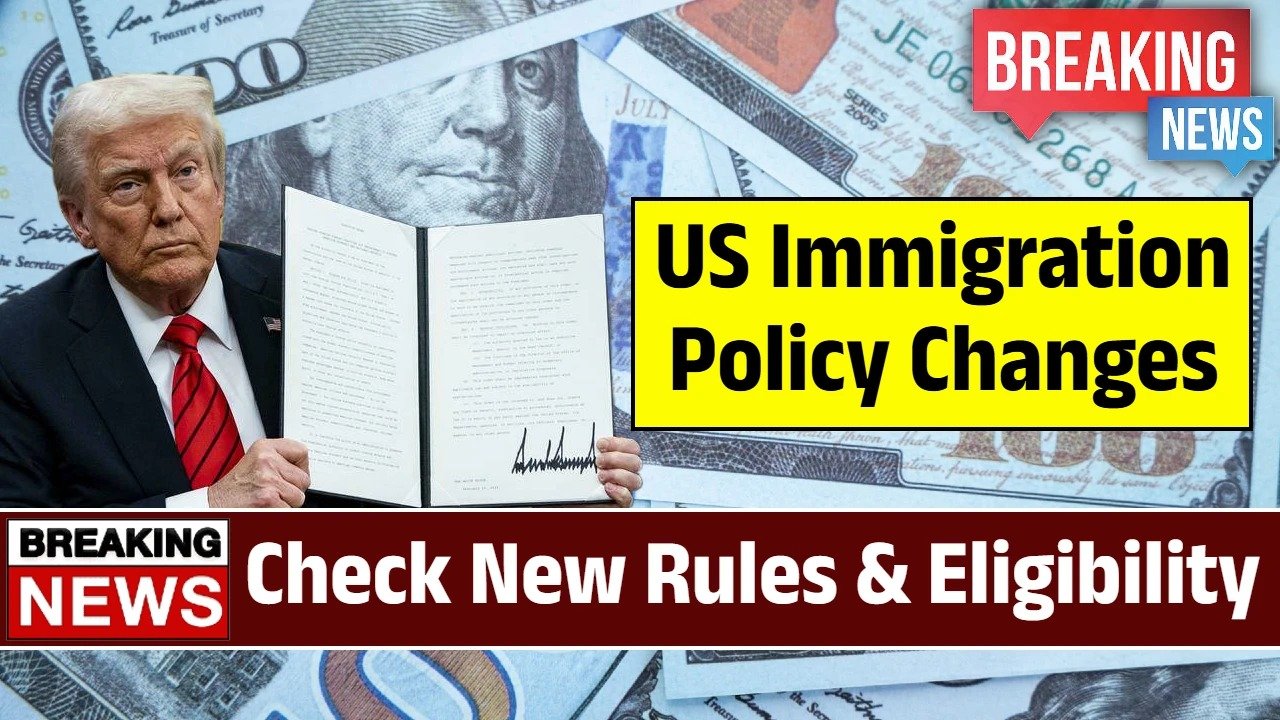
With President Trump’s second term underway, 2025 has brought sweeping updates to U.S. immigration rules. The focus is on stronger enforcement, enhanced security screening, and reducing system abuse. These changes affect visas, asylum, humanitarian programs, and more — impacting millions of applicants worldwide. Stay informed to navigate the new landscape effectively.
Why These Immigration Changes Are Happening in 2025
The Trump administration aims to restore “integrity” to the immigration system through executive orders and agency actions. Key goals include prioritizing national security, protecting American workers, and ending perceived loopholes.

Main drivers:
- Closing borders to unauthorized entries.
- Tougher vetting for visas and benefits.
- Increased deportations and cooperation with law enforcement.
- Reducing reliance on humanitarian parole and TPS programs.
Since January 2025, DHS and USCIS have issued over 172,000 Notices to Appear (NTAs) and referred thousands for removal.
Key Visa and Stay Rule Updates
One of the biggest shifts is the proposal to end “Duration of Status” (D/S) for F (student), J (exchange), and I (media) visas.
| Visa Type | Current Rule | Proposed 2025 Change | Max Initial Stay |
|---|---|---|---|
| F-1 (Students) | Duration of Status (as long as program continues) | Fixed end date on I-94 | Up to 4 years |
| J-1 (Exchange Visitors) | Duration of Status | Fixed end date; USCIS extensions required | Up to 4 years |
| I (Media Representatives) | Duration of Status | Fixed period; formal extensions needed | Varies by assignment |

Extensions would require USCIS approval with biometrics and fees. This could mean longer processing times and more paperwork for students, researchers, and journalists.
Stricter Screening and Enforcement Measures
Security vetting is now more rigorous across all categories:
- Enhanced biometrics and background checks.
- Social media and anti-American activity reviews as negative factors.
- No exemptions from enforcement — even for certain humanitarian cases.
- Mandatory alien registration enforcement via new Form G-325R.
- Expanded use of expedited removal and detention.
Work visas (like H-1B) face higher scrutiny, with reports of massive new fees in some proposals (though not yet final).
Impacts on Specific Groups
| Group | Main Changes |
|---|---|
| Students & Scholars | Fixed stays; must prove progress and funding for extensions |
| Skilled Workers | Deeper employer checks; potential delays in approvals |
| Asylum Seekers | Harder access; suspended refugee programs |
| TPS/Humanitarian Parole Holders | Many programs ended or restricted; no renewals |
| Undocumented Immigrants | Mass deportation push; self-deportation campaigns |

Universities and employers now have heavier reporting duties, risking status loss for non-compliance.
What Applicants Should Do Next
- Check official sites like uscis.gov and dhs.gov for personalized alerts.
- Gather extra documentation early, including financial proof, academic records.
- Consult an accredited immigration attorney for case reviews.
- Monitor your status closely — avoid overstays, which trigger bans.
- Prepare for potential delays in processing times.
FAQs About 2025 US Immigration Changes
Is ‘Duration of Status’ ending for student visas?
It’s proposed but not final yet — public comments closed in fall 2025; watch for a final rule.
Are travel bans back in effect?
Enhanced bans and vetting apply to certain countries; check the latest list on state.gov.
Can I still apply for asylum or TPS?
Many pathways are suspended or restricted; new claims face higher barriers.
Will processing times get longer?
Yes — added security steps and individual reviews are slowing applications.
Is birthright citizenship ending?
An executive order attempted it, but courts have blocked implementation so far.
These 2025 immigration updates mark a return to stricter policies aimed at security and control. While some changes face legal challenges, many are already in effect. Visit uscis.gov for the latest guidance, and consider professional advice to protect your status. Knowledge is power — act early to adapt. (578 words)